


Move over, diamonds! There's a gemstone that's been making serious waves in the jewelry game, and it's got a history that's straight out of a sci-fi flick. We're talking about moissanite, the ultimate glow-up in the world of bling.
If you're looking for something that's goals in terms of sparkle, sustainability, and your bank account, you need to know this gem's tea.
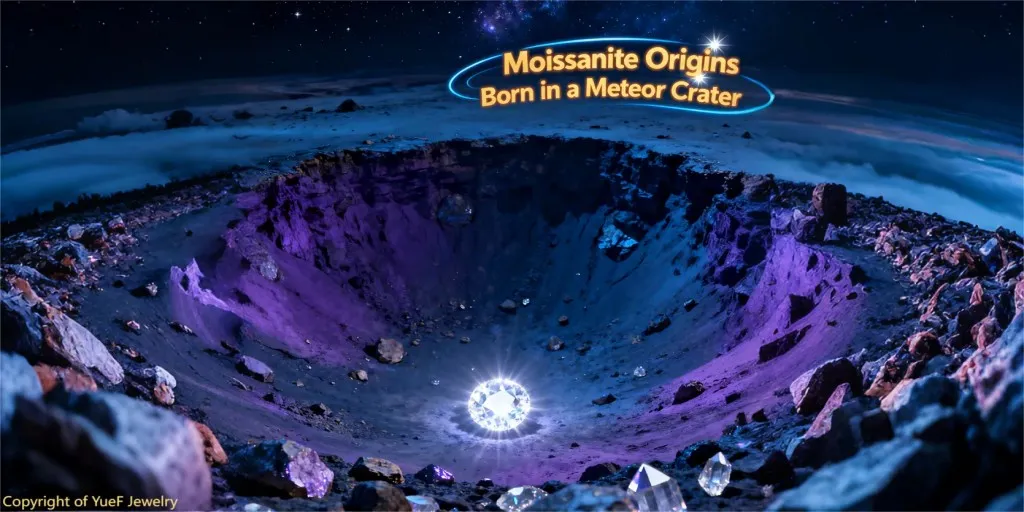
Moissanite Origins: Born in a Meteor Crater
The story of moissanite isn't your average mine-to-market tale. Our rockstar gem was first spotted way back in 1893 by French chemist Henri Moissan (who later bagged a Nobel Prize—talk about major achievements!).
He found tiny, ridiculously sparkly crystals inside a meteor crater in Canyon Diablo, Arizona.
Initially mistaken for diamonds because of their incredible hardness and brilliant flash, closer inspection revealed they were silicon carbide—a totally unique mineral, later named moissanite in his honor.
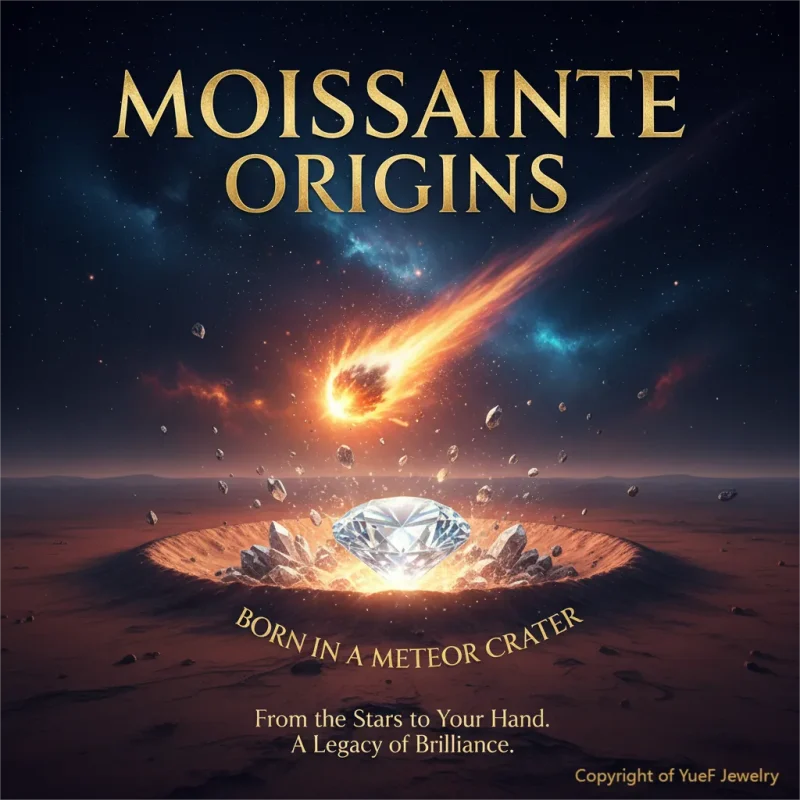
"Natural moissanite remained super rare—basically microscopic stuff found only in space rocks or deep within volcanic deposits."
The Glow-Up: Lab Life Makes It Lit
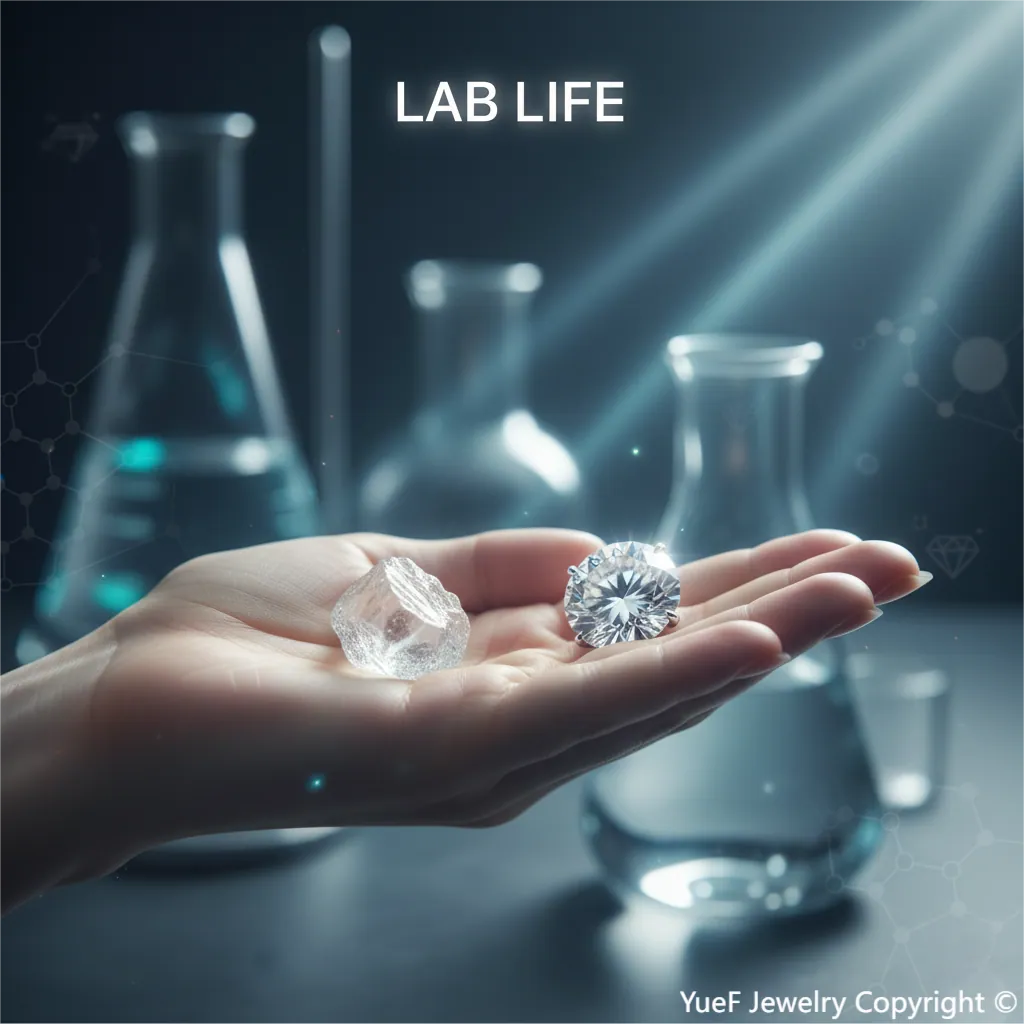
For decades, moissanite was just a cool scientific curiosity. Nobody could snag enough of it to make, well, anything wearable. That is until the late 20th century when science said, "Hold my beer."
The real main character energy emerged in the 1990s when pioneers like Charles & Colvard perfected the art of lab-grown moissanite. This was a game-changer. Suddenly, consumers had access to gem-quality stones that were ethically sourced (no mining drama!) and came with a much friendlier price tag than their diamond counterparts.
When Charles & Colvard dropped their first moissanite jewelry in the late 1990s, the jewelry world was officially shook.
Why Moissanite is Serving Looks Today
So, why is moissanite suddenly everywhere, especially for engagement rings? Because it's basically bringing all the smoke without the financial fallout!
The Sparkle is INSANE
Moissanite has a higher refractive index than diamond, meaning it throws out major fire—a dazzling rainbow flash that some find totally fire. When you see one catch the light, it's truly slaying.
Durability? Check!
Scoring a 9.25 on the Mohs hardness scale, it's second only to diamond (a perfect 10), making it tough enough for daily wear. It's built different.
Ethical & Affordable
It's a conscious consumer's dream—a stunning, conflict-free stone that's a fraction of the cost of a mined diamond. It's the ultimate hack.
The Final Sparkle
From a cosmic rock to the centerpiece of your forever ring, moissanite's journey is wild. It's proof that sometimes, the coolest things come from way out there and with a little bit of major scientific innovation!
Comments (5000+)

Clara Bennett
2 days agoI had no idea natural moissanite came from meteorites! That's the coolest backstory for a gemstone ever. No wonder my fiancée's ring gets so many compliments.

Eliot Hale
1 week agoThe sustainability factor is what sold me. Love that I can have something beautiful without the environmental impact. Great article!

It’s laborious to seek out knowledgeable folks on this subject, but you sound like you understand what you’re talking about! Thanks